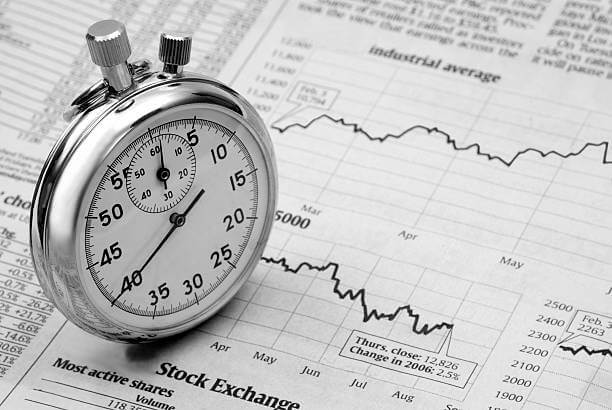
Forex markets are inherently unpredictable, but volatility—those sharp, sudden price swings—can make or break a trader. In 2025, with factors like shifting monetary policies, AI-driven trading algorithms, and global uncertainties (think elections or supply chain disruptions), volatility is set to be a defining feature. Rather than fearing it, smart traders can harness it for profit. Here are five detailed, actionable tips to help you navigate volatile forex markets with confidence:
- Monitor Volatility Indicators
Understanding when volatility is spiking—or about to—is critical. Tools like the Average True Range (ATR) measure a currency pair’s typical price movement over a set period (e.g., 14 days). For instance, if EUR/USD’s ATR jumps from 50 pips to 100 pips, expect bigger swings and adjust accordingly. Bollinger Bands are another gem: when they squeeze tight, it often signals an imminent breakout—perfect for timing entries. Pair these with a volatility index like the VIX (the “fear gauge” from stock markets, which often correlates with forex). In practice, if the VIX spikes above 20, brace for choppy waters and tighten your risk controls. - Adjust Position Sizes
Volatility amplifies risk, so scaling back your exposure is a must. Normally, you might risk 2% of your $10,000 account ($200) on a trade. But in a volatile market—say, after a surprise ECB rate cut—cut that to 1% ($100) or less. Why? A 50-pip move could balloon to 150 pips in hours, wiping out an over-leveraged position. Use a position size calculator: if your stop-loss is 30 pips and you’re risking $50, trade 0.16 lots on a pair like GBP/USD. This keeps losses manageable while letting you stay in the game for the next setup. - Trade the News with Care
Economic news—like U.S. non-farm payrolls or a Bank of Japan intervention—can send pairs like USD/JPY soaring or crashing by hundreds of pips in minutes. Trading right before these events is like playing roulette; instead, wait 15-30 minutes post-release for the initial chaos to settle. For example, if a Fed rate hike sparks a USD rally, confirm the trend with a 15-minute candlestick (e.g., a strong bullish engulfing pattern) before jumping in. Use an economic calendar (free on sites like ForexFactory) to track events, and avoid holding positions through high-impact releases unless you’re a seasoned gambler with a wide stop-loss cushion. - Focus on Safe-Haven Currencies
When markets get jittery, traders flock to “safe-haven” currencies—think USD (the world’s reserve currency), JPY (low interest rates, stability), or CHF (Swiss neutrality). During a 2025 crisis—like a sudden oil price surge—USD/JPY might drop as yen strengthens, while AUD/USD could tank as a riskier commodity currency weakens. A practical move: go long on USD/CHF if U.S. treasury yields rise, or short AUD/JPY if global risk appetite fades. Check central bank statements or geopolitical headlines on X to spot these shifts early. Diversifying into safe-havens balances your portfolio when volatility spikes. - Have an Exit Plan Ready
Volatility doesn’t care about your hopes—it moves fast and unforgivingly. Before entering any trade, define your take-profit and stop-loss levels based on technicals, not gut feelings. For instance, trading EUR/USD at 1.0500 during a volatile session? Set a stop-loss at 1.0470 (below recent support) and a take-profit at 1.0560 (near resistance), aiming for a 1:2 risk-reward ratio. Use trailing stops to lock in gains if the market runs in your favor—say, trailing by 20 pips. In 2025’s tech-driven markets, automate these exits via your platform (e.g., MetaTrader) to avoid hesitation. A solid exit plan turns volatility from a threat into a tool.
Putting It All Together: Imagine it’s March 2025, and a surprise ECB stimulus floods the market. EUR/USD spikes, ATR doubles, and panic sets in. You check your indicators (tip 1), shrink your position (tip 2), wait out the initial surge (tip 3), pivot to USD/CHF as a safe play (tip 4), and ride the move with pre-set exits (tip 5). Result? You profit while others flounder. Volatility isn’t your enemy—it’s your edge if you’re prepared.
Stay adaptable in 2025. Practice these tips on a demo account first, track your results, and refine your approach. With discipline and the right tools, you’ll not only survive volatile markets but thrive in them.